

Recent Updates
-
-
-
-
-
-
📜 Article 10 – Continuity of Citizenship
What is Article 10 About?
Article 10 of the Indian Constitution ensures that once a person has been recognized as a citizen of India under the Constitution, they continue to be a citizen until a law made by Parliament says otherwise.
In Simple Words:
"If you are a citizen under the Constitution, you will remain a citizen unless a new law says you're not anymore."
It’s like a guarantee of continuity — you don’t lose your Indian citizenship randomly.
Exact Words of Article 10:
“Every person who is or is deemed to be a citizen of India under any of the foregoing provisions of this Part shall, subject to the provisions of any law that may be made by Parliament, continue to be such citizen.”
What Does It Mean Practically?
Once you're a citizen under Articles 5 to 9 (based on birth, migration, etc. at the time of Independence),
Your citizenship remains intact — unless Parliament passes a law that takes it away under specific conditions.
It’s like saying: “You are safe as a citizen – unless you do something that legally changes that status.”
Real-Life Example:
Let’s say someone became an Indian citizen in 1950 under Article 5.
Years later, they:
Move abroad,
Take up foreign citizenship, or
Get involved in anti-national activities.
➡️ In such cases, the Parliament’s law (Citizenship Act, 1955) decides if or how their Indian citizenship can be revoked.
So, Article 10 itself doesn’t remove citizenship, but it allows laws like the Citizenship Act to define the rules for losing it.
How Is Article 10 Linked to Citizenship Act, 1955?
Parliament has the authority to create detailed laws on:
How citizenship is acquired,
When it can be terminated (like acquiring citizenship of another country),
When it can be renounced or revoked.
For example:
If a person voluntarily takes citizenship of another country, Section 9 of the Citizenship Act says their Indian citizenship ends.
If someone commits fraud to gain Indian citizenship, it can be revoked.
Why Is Article 10 Important?
🛡️ It protects your status as a citizen from being arbitrarily taken away.
📜 It respects the Constitution’s initial declaration of who is a citizen.
⚖️ It ensures that only Parliament — not anyone else — can decide changes to your citizenship.
Key Takeaways:
Article 10 says: “Once you’re a citizen, you stay a citizen — unless lawfully removed.”
It acts as a bridge between the Constitution and citizenship laws made by Parliament.
It doesn’t give or remove citizenship — it protects the continuity of citizenship status.
"Article 10 is not about gaining or losing citizenship — it's about assuring citizens that their status is legally protected, and that any changes will happen only through democratic law." 1.9K Views
-
-
-
-
-
-
⚖️ Article 14: Everyone Is Equal Before the Law – But Is It True in Practice?
“Article 14: ఒక్కరికోసం కాదు – అందరికోసం!”
“One Law. One Nation. One Justice.”
What the Law Says:
Article 14 of the Indian Constitution promises “Equality before the law and equal protection of the laws” to every person living in India.
No matter your caste, gender, religion, income, or background — the law must treat everyone equally.
What This Means in Simple Terms:
If a poor farmer and a rich businessman break the law — both must face the same justice.
If a woman is harassed, she deserves the same protection as anyone else.
If someone is treated unfairly because of caste or religion, it is a direct violation of Article 14.
But Is Equality Really Happening?
Despite this strong law:
VIPs often get special treatment in jails, courts, and hospitals.
Marginalized communities face discrimination in police stations, schools, and public services.
Ordinary citizens struggle for justice, while powerful people walk free.
This is not just unfair — it's unconstitutional.
How Citizens Can Use Article 14
Ask for Equal Treatment
If you're denied a government service or harassed unfairly, cite Article 14 in your complaint.
File RTIs
Ask why one person got a benefit while another didn’t — whether it's land, ration cards, or police response.
Take Legal Support
You can go to court, human rights commissions, or media if you’ve been treated unequally.
“No one is above the law — and no one is below protection.”
That’s the spirit of Article 14.
But laws only work when people know them, speak up, and demand their rights.
Let’s build an India where equality isn’t just written in books — but seen in every village, city, and courtroom.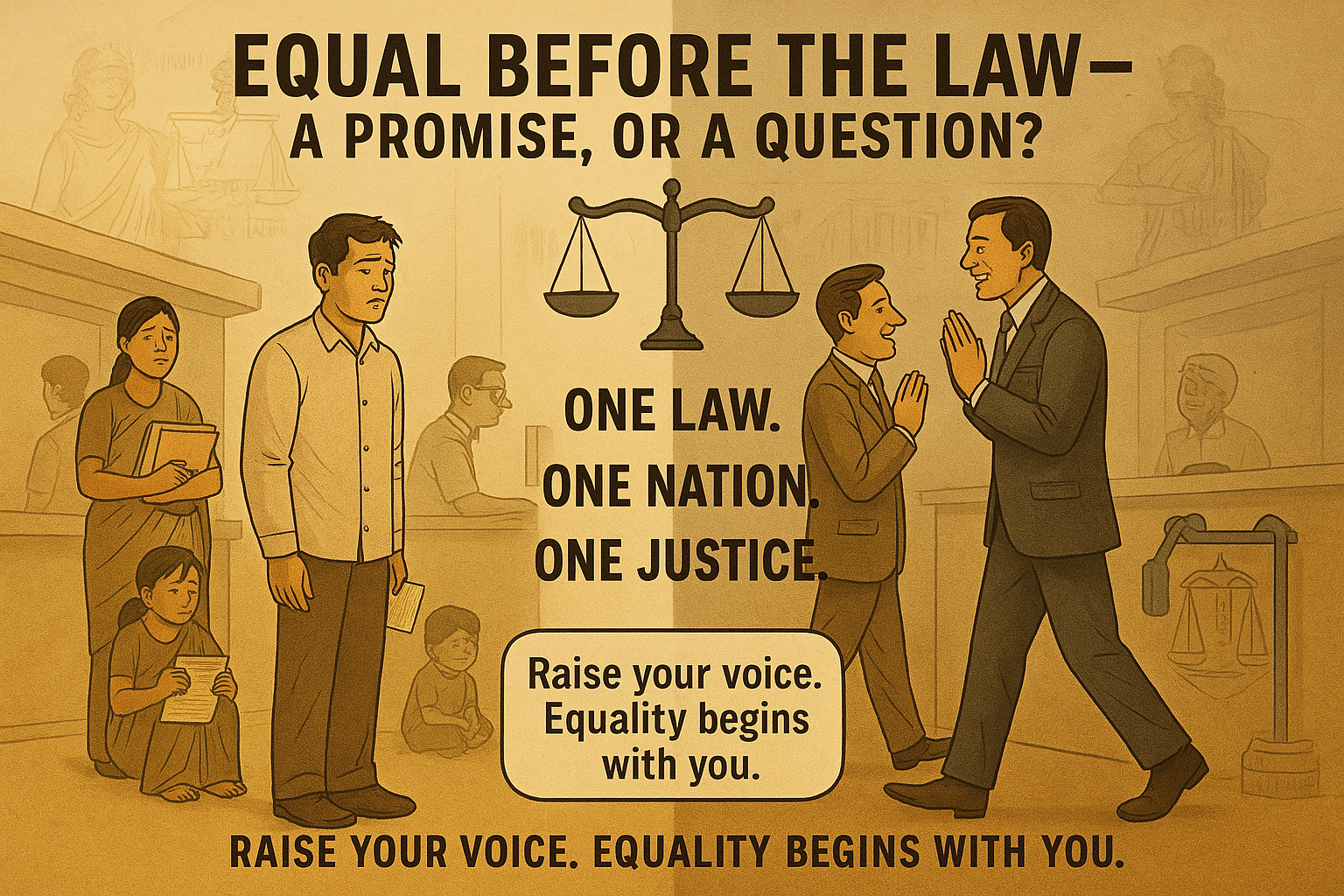 1.9K Views
-
-
🛑 𝐏𝐨𝐥𝐥 𝐒𝐢𝐥𝐞𝐧𝐜𝐞 𝐕𝐢𝐨𝐥𝐚𝐭𝐞𝐝: 𝐀𝐫𝐞 𝐖𝐞 𝐑𝐞𝐬𝐩𝐞𝐜𝐭𝐢𝐧𝐠 𝐃𝐞𝐦𝐨𝐜𝐫𝐚𝐜𝐲 𝐨𝐫 𝐓𝐫𝐚𝐦𝐩𝐥𝐢𝐧𝐠 𝐈𝐭?
FIRs Filed Against Digital News Portals in Ludhiana for Publishing Poll Data During Election Silence
In a serious crackdown before the Ludhiana West by-election, FIRs were filed against multiple digital news portals that violated the 48-hour “poll silence” period by publishing opinion polls. This period, legally protected under the Representation of the People Act, is meant to allow voters to reflect without media influence or political pressure.
Despite prior warnings issued by the District Election Officer, some portals went ahead and published surveys, raising serious concerns about media accountability, legal awareness, and democratic responsibility.
𝐖𝐡𝐚𝐭 𝐃𝐨𝐞𝐬 𝐓𝐡𝐢𝐬 𝐈𝐧𝐜𝐢𝐝𝐞𝐧𝐭 𝐑𝐞𝐯𝐞𝐚𝐥?
Media without responsibility is a threat to democracy.
Publishing opinion polls during the silent period can directly impact voter sentiment, especially in high-stakes elections like Ludhiana West.
𝐓𝐡𝐢𝐬 𝐢𝐬𝐧’𝐭 𝐚𝐛𝐨𝐮𝐭 𝐬𝐢𝐥𝐞𝐧𝐜𝐢𝐧𝐠 𝐭𝐡𝐞 𝐦𝐞𝐝𝐢𝐚.
It’s about upholding the rules of free and fair elections — the very foundation of a democracy.
🧭 𝐎𝐮𝐫 𝐕𝐢𝐞𝐰: 𝐉𝐨𝐮𝐫𝐧𝐚𝐥𝐢𝐬𝐦 𝐌𝐮𝐬𝐭 𝐁𝐞 𝐏𝐨𝐰𝐞𝐫𝐟𝐮𝐥, 𝐍𝐨𝐭 𝐑𝐞𝐜𝐤𝐥𝐞𝐬𝐬
𝐀𝐭 𝐁𝐡𝐚𝐫𝐚𝐭 𝐀𝐚𝐰𝐚𝐳 𝐚𝐧𝐝 𝐁𝐡𝐚𝐫𝐚𝐭 𝐌𝐞𝐝𝐢𝐚 𝐀𝐬𝐬𝐨𝐜𝐢𝐚𝐭𝐢𝐨𝐧, 𝐰𝐞 𝐬𝐭𝐫𝐨𝐧𝐠𝐥𝐲 𝐛𝐞𝐥𝐢𝐞𝐯𝐞:
✅ Journalism must serve the truth, not trend-chasing.
✅ Every reporter should be aware of legal obligations before publishing political content.
✅ Media platforms must invest in editorial training and election ethics.
✊ 𝗟𝗲𝘁’𝘀 𝗨𝘀𝗲 𝗠𝗲𝗱𝗶𝗮 𝗣𝗼𝘄𝗲𝗿 𝗥𝗲𝘀𝗽𝗼𝗻𝘀𝗶𝗯𝗹𝘆
The digital media revolution has empowered local voices — but with that power comes the duty to inform without misleading, and to influence without violating the law.
This FIR should not just be seen as punishment — but as a wake-up call for all media houses to:
Understand the Representation of the People Act
Respect Model Code of Conduct
Train their teams on pre-poll and post-poll coverage ethics
📣 𝐋𝐞𝐭’𝐬 𝐩𝐫𝐨𝐭𝐞𝐜𝐭 𝐝𝐞𝐦𝐨𝐜𝐫𝐚𝐜𝐲 𝐛𝐲 𝐫𝐞𝐩𝐨𝐫𝐭𝐢𝐧𝐠 𝐰𝐢𝐭𝐡 𝐢𝐧𝐭𝐞𝐠𝐫𝐢𝐭𝐲 — 𝐧𝐨𝐭 𝐚𝐭 𝐢𝐭𝐬 𝐜𝐨𝐬𝐭.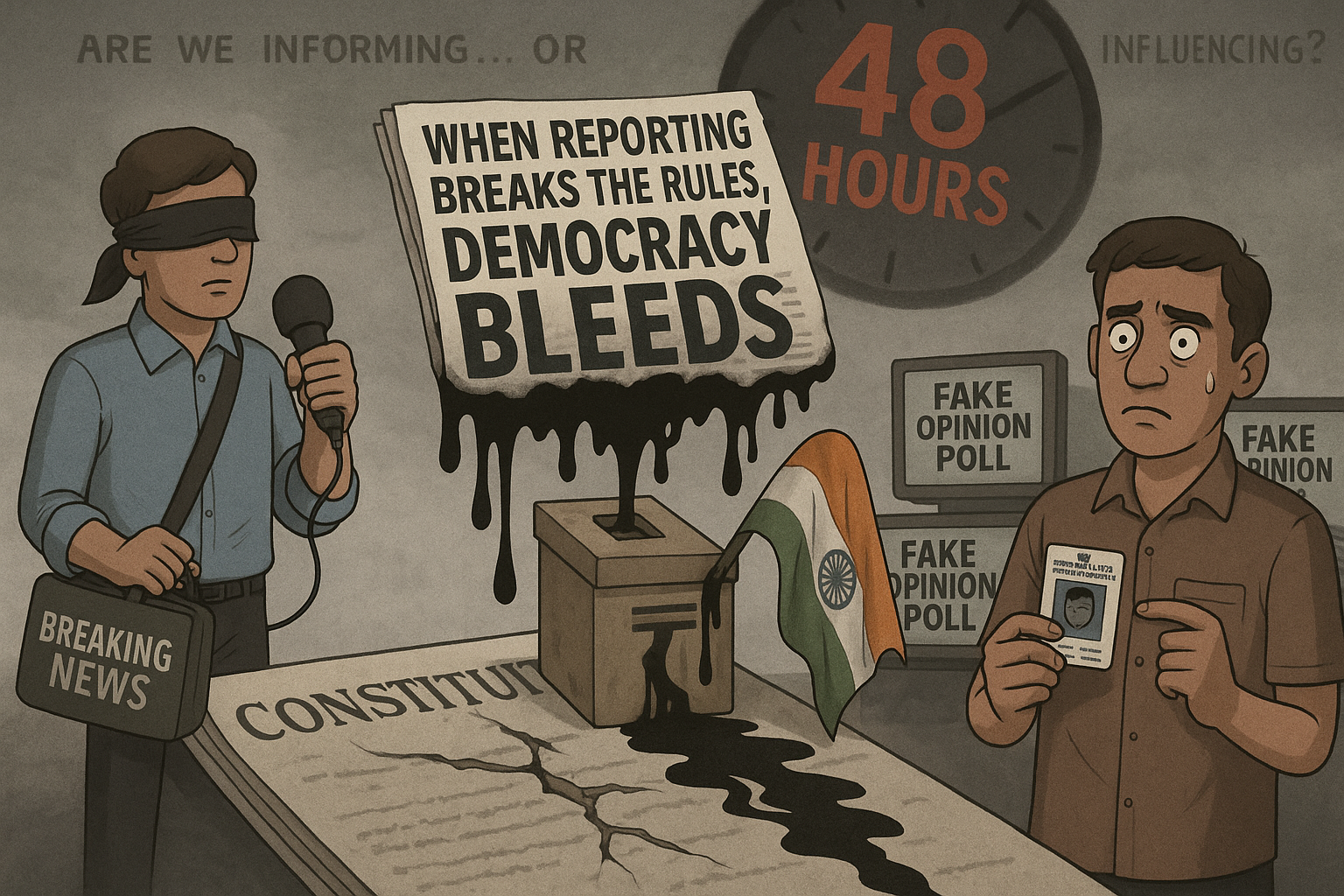 2K Views
-
-
-
-
భారత రాజ్యాంగం
భారత రాజ్యాంగం అంటే మన దేశాన్ని శాసించడానికి రూపొందించిన అత్యంత ముఖ్యమైన చట్టపత్రం. ఇది భారతదేశ ప్రజాస్వామ్యాన్ని, మౌలిక హక్కులను, ప్రభుత్వ నిర్మాణాన్ని, విధులను మరియు బాధ్యతలను నిర్వచిస్తుంది. భారత రాజ్యాంగం లేకుండా మన దేశంలో పాలన అసాధ్యము.
________________________________________
1. భారత రాజ్యాంగ రచన ఎలా జరిగింది?
1.1 రాజ్యాంగ రచన వెనుక చరిత్ర
భారతదేశం 1947 ఆగస్టు 15న స్వాతంత్ర్యం పొందింది. కానీ అప్పటివరకు మనకు బ్రిటిష్ రాజ్యాంగం ఆధారంగా పరిపాలన సాగింది.
స్వతంత్రం వచ్చాక, మన స్వంత పాలన నిర్మించేందుకు రాజ్యాంగాన్ని రచించాలనే నిర్ణయం తీసుకున్నారు.
1.2 రాజ్యాంగాన్ని ఎవరు రచించారు?
• డాక్టర్ బి.ఆర్ అంబేద్కర్ (రాజ్యాంగ నిర్మాణ కమిటీ ఛైర్మన్)
• డాక్టర్ రాజేంద్ర ప్రసాద్ (రాజ్యాంగ సభ అధ్యక్షుడు)
• జవహర్లాల్ నెహ్రూ, సర్దార్ వల్లభభాయి పటేల్, అల్లాడి కృష్ణస్వామి అయ్యర్ వంటి అనేక మంది ప్రముఖులు రాజ్యాంగ రచనలో పాలుపంచుకున్నారు.
1.3 రాజ్యాంగ రూపకల్పన & అమలులోకి రావడం
📌 1946 డిసెంబర్ 9 - రాజ్యాంగ సభ ఏర్పడింది.
📌 1949 నవంబర్ 26 - రాజ్యాంగాన్ని ఆమోదించారు.
📌 1950 జనవరి 26 - రాజ్యాంగం అధికారికంగా అమలులోకి వచ్చింది.
🔹 దీని జ్ఞాపకార్థం ప్రతి సంవత్సరం జనవరి 26న "గణతంత్ర దినోత్సవం" జరుపుకుంటాము.
________________________________________
2. భారత రాజ్యాంగం ముఖ్యమైన లక్షణాలు
2.1 లిఖిత రాజ్యాంగం (Written Constitution)
భారత రాజ్యాంగం ప్రపంచంలోని అత్యంత విస్తృతమైన రాజ్యాంగం. ఇందులో 395 ఆర్టికల్స్ (ప్రస్తుతమైతే సవరణలతో 470కి పైగా ఉన్నాయి) మరియు 12 షెడ్యూళ్లు ఉన్నాయి.
ఉదాహరణ:
📌 అమెరికా రాజ్యాంగం కేవలం 7 ఆర్టికల్స్ మాత్రమే కలిగి ఉంది. కానీ, భారత రాజ్యాంగం చాలా విస్తృతమైనది.
________________________________________
2.2 ప్రజాస్వామ్య పాలన (Democratic Government)
భారతదేశంలో ప్రజలే పాలకులు. ప్రజలు తమ ప్రతినిధులను ఓటింగ్ ద్వారా ఎంచుకుంటారు.
ఉదాహరణ:
📌 2019 లోక్సభ ఎన్నికల్లో 90 కోట్ల మంది భారతీయులు ఓటు హక్కు వినియోగించుకున్నారు. ఇది ప్రపంచంలోనే అతిపెద్ద ప్రజాస్వామ్య ఎన్నిక.
________________________________________
2.3 మౌలిక హక్కులు (Fundamental Rights)
మన రాజ్యాంగం 6 ముఖ్యమైన మౌలిక హక్కులను అందించింది.
🔹 1. సమానత్వ హక్కు (Right to Equality):
• కుల, మత, లింగ వివక్ష లేకుండా అందరికీ సమానత్వం.
📌 ఉదాహరణ: ఎవరైనా రెస్టారెంట్, హోటల్ లేదా సినిమాహాల్లో ప్రవేశించడాన్ని కులం పేరుతో నిరోధించరాదు.
🔹 2. స్వేచ్ఛా హక్కు (Right to Freedom):
• ప్రతి పౌరుడికి మాట చెప్పే, ఉద్యోగం చేసే, దేశంలో ఎక్కడైనా తిరిగే హక్కు ఉంటుంది.
📌 ఉదాహరణ: మీడియా తన స్వేచ్ఛగా ప్రభుత్వాలపై విమర్శలు చేయవచ్చు.
🔹 3. శాశ్వత న్యాయ హక్కు (Right against Exploitation):
• శ్రమ దోపిడీ, బాలకార్మిక వ్యవస్థను నిషేధిస్తుంది.
📌 ఉదాహరణ: 14 ఏళ్ల లోపు పిల్లలను హోటళ్లలో పని చేయించడం చట్ట విరుద్ధం.
🔹 4. మత స్వేచ్ఛ హక్కు (Right to Freedom of Religion):
• ఎవరైనా తమ ఇష్టమైన మతాన్ని అనుసరించవచ్చు.
📌 ఉదాహరణ: హిందువు క్రైస్తవ మతాన్ని స్వీకరించవచ్చు, దీనిపై ఎవరూ బలవంతం చేయరు.
🔹 5. సాంస్కృతిక & విద్యా హక్కులు (Cultural & Educational Rights):
• ప్రాదేశిక భాషలు, సంస్కృతులను రక్షించే హక్కు.
📌 ఉదాహరణ: తమిళనాడు లోని తమిళులు తమ భాషను రక్షించేందుకు ప్రత్యేకంగా విద్యా సంస్థలు నెలకొల్పవచ్చు.
🔹 6. న్యాయ రక్షణ హక్కు (Right to Constitutional Remedies):
• ప్రభుత్వం మన హక్కులను హరించినపుడు న్యాయస్థానాన్ని ఆశ్రయించే హక్కు.
📌 ఉదాహరణ: మన హక్కులను ప్రభుత్వం ఉల్లంఘిస్తే, సుప్రీంకోర్టులో పిటిషన్ వేసుకోవచ్చు.
________________________________________
3. భారత రాజ్యాంగం మార్పులు (Amendments to Constitution)
భారత రాజ్యాంగం కాలానుగుణంగా మార్పులకు అనుగుణంగా ఉండేలా సవరణల ద్వారా అభివృద్ధి చెందుతుంది.
ముఖ్యమైన రాజ్యాంగ సవరణలు
📌 42వ సవరణ (1976): "సామాజికవాదం, లౌకికత" అనే పదాలు చేర్చారు.
📌 73వ, 74వ సవరణలు (1992): గ్రామ పంచాయతీలు, మున్సిపల్ పాలనను బలపరిచాయి.
📌 86వ సవరణ (2002): 6-14 ఏళ్ల పిల్లలకు ఉచిత విద్య హక్కును కల్పించింది.
📌 103వ సవరణ (2019): EWS (ఆర్థికంగా బలహీన వర్గాలకు) 10% రిజర్వేషన్.
________________________________________
4. భారత రాజ్యాంగ ప్రాముఖ్యత
✅ ప్రపంచంలోనే ఎక్కువ కాలం పని చేస్తున్న ప్రజాస్వామ్య రాజ్యాంగం భారతదేశానికి ఉంది.
✅ ఇది సమానత్వం, న్యాయం, స్వేచ్ఛ, ఐక్యతకు బలమైన బాటగా నిలిచింది.
✅ దేశ సమగ్రతను కాపాడుతూ, ప్రజలకు అభివృద్ధి అవకాశాలను అందించింది.
________________________________________
5. ముగింపు:
భారత రాజ్యాంగం మన దేశానికి దిక్సూచి లాంటిది. ఇది మన ప్రజలకు స్వేచ్ఛ, హక్కులు, సమానత్వం, న్యాయం కల్పించే గొప్ప మార్గదర్శిని. మన బాధ్యత ఏమిటంటే, ఈ రాజ్యాంగాన్ని గౌరవిస్తూ, అందరి హక్కులను కాపాడుతూ సమాజాన్ని అభివృద్ధి చేయడం.
📢 "ఒక సమర్థ ప్రజాస్వామ్యం కేవలం నిబంధనల ద్వారా నిర్మించబడదు, ప్రజల చైతన్యంతోనే అది నిలుస్తుంది!" 🚀
#BMA
#bharatmediaassociation
#Indianconstitution
#MEDIA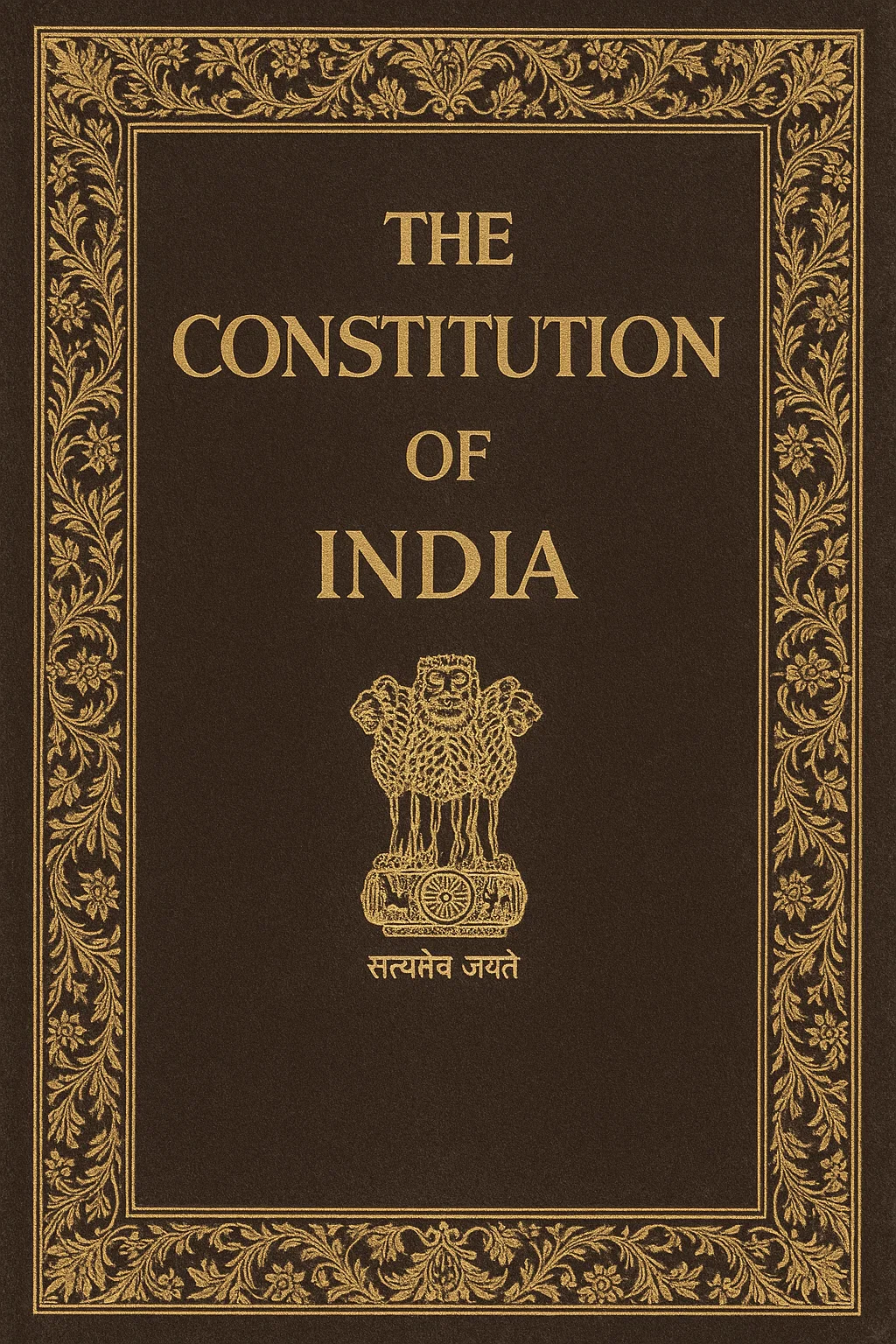 1.7K Views
More Stories
© 2026 BMA | Bharat Media Association