


 ABOUT BMA
 Bharat Aawaz
The Constitution of India - A Hope for Every Indian Right
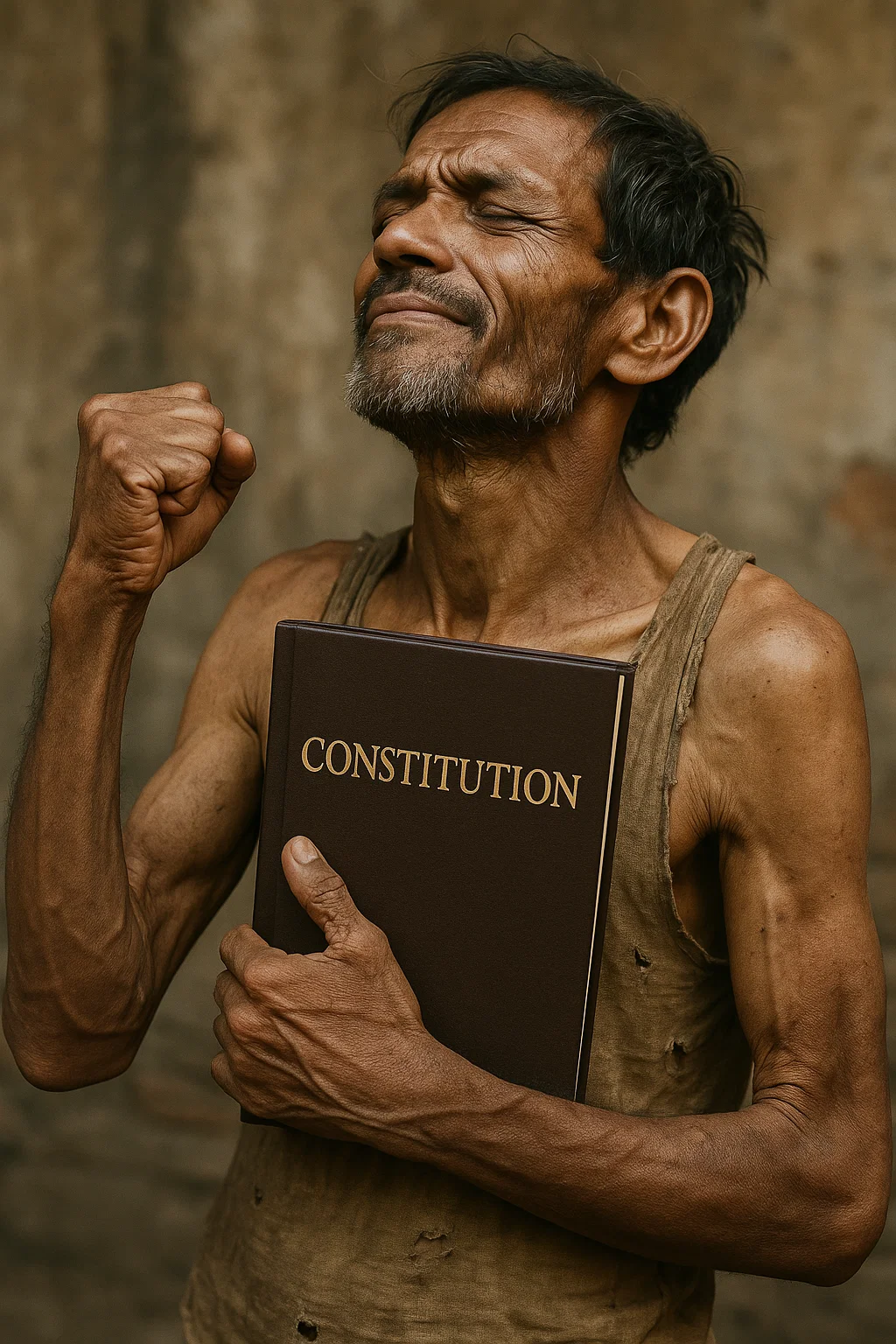
The Constitution of India – A Complete Explanation (In Simple English)
The Constitution of India is the most important legal document that governs our country. It defines India’s democracy, fundamental rights, government structure, duties, and responsibilities. Without the Constitution, governance in India would be impossible.
1. How Was the Indian Constitution Written?
1.1 The History Behind Constitution Writing
India gained independence on August 15, 1947. Until then, our country was governed under British laws.
After independence, the need for a self-governing system arose, leading to the drafting of our own Constitution.
1.2 Who Wrote the Constitution?
- Dr. B.R. Ambedkar (Chairman of the Drafting Committee)
- Dr. Rajendra Prasad (President of the Constituent Assembly)
- Other key contributors: Jawaharlal Nehru, Sardar Vallabhbhai Patel, Alladi Krishnaswamy Iyer, and many others.
1.3 Drafting & Implementation of the Constitution
📌 December 9, 1946 – Constituent Assembly was formed.
📌 November 26, 1949 – The Constitution was adopted.
📌 January 26, 1950 – The Constitution came into effect.
🔹 This is why we celebrate January 26 as "Republic Day" every year.
2. Key Features of the Indian Constitution
2.1 Written Constitution
India has one of the longest and most detailed Constitutions in the world.
It originally had 395 Articles, but with amendments, it now has over 470 Articles and 12 Schedules.
Example:
📌 The U.S. Constitution has only 7 Articles, whereas India's Constitution is much more detailed and extensive.
2.2 Democratic Government
India follows a democratic system, where people elect their leaders through voting.
Example:
📌 In the 2019 Lok Sabha elections, 900 million Indians participated, making it the largest democratic election in the world.
2.3 Fundamental Rights
Our Constitution guarantees 6 major fundamental rights for every citizen.
🔹 1. Right to Equality – Ensures equality for all, regardless of caste, religion, or gender.
📌 Example: A restaurant or movie theatre cannot deny entry based on caste.
🔹 2. Right to Freedom – Every citizen has freedom of speech, movement, and occupation.
📌 Example: The media can criticize the government freely.
🔹 3. Right Against Exploitation – Prohibits forced labor and child labor.
📌 Example: Employing children under 14 years in hotels is illegal.
🔹 4. Right to Freedom of Religion – Every person has the right to follow any religion of their choice.
📌 Example: A Hindu can convert to Christianity if they wish, and no one can force them otherwise.
🔹 5. Cultural & Educational Rights – Protects the languages and cultures of different communities.
📌 Example: Tamil people in Tamil Nadu can establish schools to protect their language and culture.
🔹 6. Right to Constitutional Remedies – If someone’s rights are violated, they can go to court.
📌 Example: If a government unfairly restricts free speech, people can file a case in the Supreme Court.
3. Amendments to the Constitution
The Indian Constitution is flexible and can be updated as per the changing needs of society. These updates are called Amendments.
Important Amendments
📌 42nd Amendment (1976): Added the words "Socialist" and "Secular" to the Preamble.
📌 73rd & 74th Amendments (1992): Strengthened local governance like Panchayats and Municipalities.
📌 86th Amendment (2002): Made free education a fundamental right for children aged 6-14 years.
📌 103rd Amendment (2019): Introduced 10% reservation for economically weaker sections (EWS).
4. Importance of the Indian Constitution
✅ India has the world’s longest-functioning democratic Constitution.
✅ It has upheld equality, justice, freedom, and unity for decades.
✅ It ensures the protection of people's rights and national integrity.
5. Conclusion
The Indian Constitution is the guiding force for our country. It provides freedom, rights, equality, and justice to every citizen. Our responsibility is to respect, uphold, and protect the Constitution while working for the progress of the nation.
📢 "A strong democracy is not built in a day, but law by law, decade by decade!" 🚀